Healthy foods can help support your immune system and taste great too. You don’t have to give up flavor to make nutritious choices.
The key is eating a balanced diet, staying hydrated and choosing foods rich in vitamins and minerals. That's easier than you might think.
Discover simple foods and easy recipes to add to your weekly menu. Small changes can make a difference.
How does vitamin C help support your immune system?
Vitamin C supports your immune system by helping your body make white blood cells. These cells fight germs that can make you sick. Vitamin C also acts as an antioxidant to protect those cells.
Getting vitamin C regularly is important because your body doesn't make or store it.
Foods that are a reliable source of vitamin C include:
- Bell peppers
- Guava
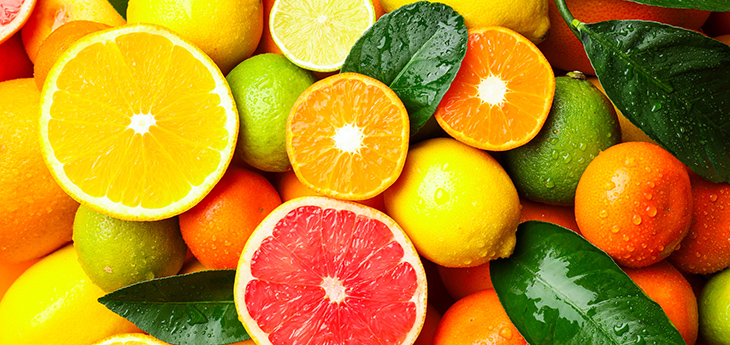
- Oranges and other citrus fruits
- Strawberries
- Papaya
- Broccoli
Learn how to make a simple winter fruit salad
Find out how to partner with a primary care provider
Does yogurt help prevent colds and flu?
Eating yogurt with probiotics can improve your immune response to colds and flu. Probiotics are beneficial bacteria that support digestion and gut health. A healthy gut helps your body fight off germs and viruses.
When you buy yogurt, check the label and make sure it contains live active cultures. Some yogurts are heat treated, which kills the good bacteria. You can also make yogurt easily at home.
Plain unsweetened yogurt and Greek yogurt with probiotics both have health benefits. Yogurt is sometimes fortified with vitamin D which promotes immune system health. Yogurt can be found in non-fat, low fat or full fat varieties. Be mindful of added sugars in yogurt; look for unsweetened or lower sweetened varieties.
- Greek yogurt has more protein, and non-fat Greek yogurt has less sugar and fewer total carbs than regular yogurt.
- Regular yogurt often contains more calcium than Greek yogurt.
Check out this recipe for a coconut yogurt and falafel bowl
Sign up for our Health Highlights e-newsletter
What is the best mushroom for immune health?
The National Institutes of Health (NIH) describes mushrooms as a “nutritional powerhouse” that promote and enhance health.
Mushrooms are a good source of minerals, fiber, protein and vitamins B and D. They also help protect against stress and inflammation.
Some top immunity supporting mushrooms include:
Cooking mushrooms helps your body use more of their nutrients. If you’re worried about using mushrooms before they go bad, try using dehydrated mushrooms. They have a longer shelf life.
See recipe for mushroom adobo bowl
Does eating garlic actually boost your immune system?
Some studies have found health benefits from eating one or two cloves of garlic each day, although there is no official daily serving recommendation.
Garlic activates cells in your body to improve the functioning of your immune system. It also helps to relax blood vessels, lower cholesterol and lower blood pressure.
Here are three healthy, garlic centered recipes to consider trying:
Heating garlic can reduce its health benefits, so researchers suggest using more garlic when cooking.
Which nut is best for the immune system?
There isn’t one nut that’s best at supporting immunity, however eating a variety of nuts is beneficial. Raw unsalted nuts are preferred for good health.
Nuts are naturally high in anti-inflammatory nutrients. Their fiber is also good for gut health which promotes stronger immunity.
Three examples of immune boosting nuts are:
- Almonds are a good source of vitamin E.
- Walnuts contain vitamin B6 and essential minerals.
- Pistachios have zinc, vitamin B6 and selenium.
The average recommended daily serving of nuts is about ¼ cup.
Read about the benefits of plant-based protein
This blog was medically reviewed by senior registered dietitian Angela Salas, a board-certified specialist in obesity and weight management at UC Davis Health.
Recommendations are based on guidance from organizations including: the National Institutes of Health, American Society of Registered Nurses, Mushroom Council, U.S. Department of Agriculture, California Almond Board, California Citrus Growers, National Dairy Council, and the American Association of Family Physicians.