Ways to show support and appreciation to our veterans
By Carolyn Ramirez
Feedback shared from veterans across multiple UC systems
(SACRAMENTO)
Throughout the year, there are opportunities to acknowledge, honor, and appreciate active duty members, veterans, and their families for the sacrifices they make to serve our country (e.g. Veteran’s Day, Military Appreciation Month, Memorial Day, etc.).
That said, have you ever wondered if the kind of support or acknowledgement you’re giving is what is wanted or needed?
Last month, 15 members from the Veterans Employee Association employee resource group at UC Davis Health (and other UC systems) were invited to participate in an anonymous survey to share their thoughts and perspectives about what it feels like to talk about their military lives with civilians.
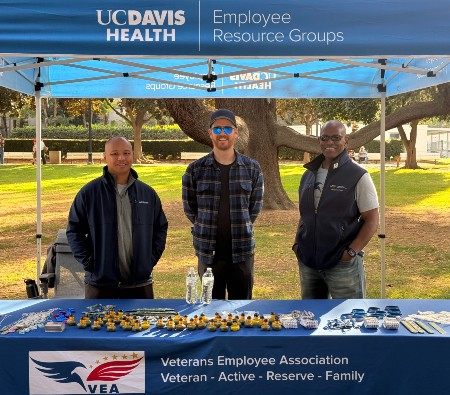
Veteran Employee Association Board Members Jordan Samson, Greg Stanford, and Miles Thorne volunteer at the Veterans Day Parade at the Capitol in Sacramento
One participant said, “Gratitude for service is appreciated, but it would be good if civilians showed more curiosity about how military organizations function. Acknowledgement of the experience of working across the U.S. and other nations.”
Based on their responses, five themes emerged: misconceptions about military life, challenges transitioning back to civilian life, communication barriers, preferences for recognition, and the importance of community.
Top five themes
Misconceptions and a lack of understanding about military life
Many respondents wish civilians understood that military life involves diverse roles beyond combat. Respondents also expressed frustration over the portrayal of military service in movies, which often ignores other experiences, such as administrative, medical, and technical roles.
Challenges transitioning back to civilian life
Most veterans mentioned they experience emotional, psychological, and physical adjustments when going back to civilian life. The transition to civilian life often includes feelings of isolation, loss, and the need to find a new direction.
Communication barriers and social disconnect
Veterans also shared how often they encounter uncomfortable or awkward conversations with civilians, including insensitive remarks about combat, politics, and a lack of knowledge of military structure. Respondents also emphasized the importance of civilians expressing genuine curiosity and avoiding the glorification of military experiences.
Recognition and support for veterans
Civilians can offer meaningful support by recognizing military experiences in employment, promoting better mental health care, supporting veteran organizations, and fostering inclusive communities. Respondents note that simple gestures of gratitude are appreciated, but what’s more helpful are actions that acknowledge the complexities and contributions of veterans. Actions speak louder than words.
Identity, community, and ongoing impact
Respondents highlight the importance of community and the ongoing psychological impact of service. Military service leaves lasting effects on veterans’ identities, relationships, and sense of belonging.
With these themes in mind, there are ways civilians can show more support to veterans moving forward.
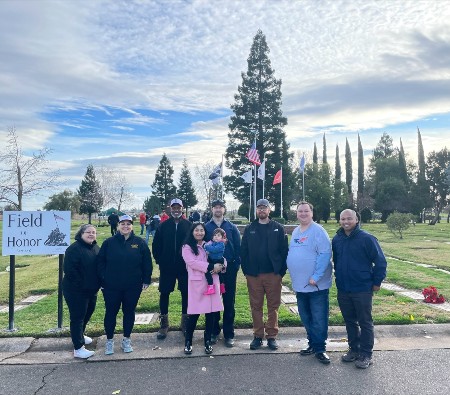
VEA members and allies participate in a Wreaths Across America event at Camellia Memorial Lawn on December 2024
Ways to show support
Civilians can offer meaningful support to veterans by focusing on respect, genuine curiosity, and thoughtful engagement. Based on the responses and context provided, below are some key approaches to consider utilizing in the future:
Avoid assumptions and labels
Don’t make assumptions about veterans’ experiences or beliefs, and refrain from using general terms like “hero” that may not resonate with everyone.
For instance, one participant wrote, “Before thanking me for my service, ask if being in the military was a positive or negative experience. Some people really don't want to talk about it.”
Show genuine curiosity and kindness
Express interest in a respectful, non-intrusive way, acknowledging the wide range of military experiences beyond combat.
A participant expressed, “Stop making assumptions or labeling us. Ask and lead with genuine curiosity if you wish to do so.”
Respect privacy and boundaries
Understand that some veterans may prefer not to discuss their service. If and when they are open to discussing their experience, create a safe, comfortable environment for sharing.
Support mental health and transition efforts
Advocate for improved mental health care and programs to support veterans as they transition to civilian life, acknowledging the emotional toll of their service.
Many participants expressed how different civilian life can be from the military life they were familiar with.
One participant emphasized, “Veterans often struggle with a lack of community and unplanned transitions after service. Don’t assume that leaving the service was all part of their plan. Treating veterans like everyone else and allowing flexibility in expectations can help.”
By applying these approaches, civilians can foster a more respectful and supportive environment for veterans—valuing their unique experiences and contributions while honoring their preferences for privacy and engagement.
To show support and participate in the Veterans Employee Association (VEA) employee resource group,visit the VEA website.
Learn more about all our UC Davis Health Employee Resource Groups. These groups are open to anyone, regardless of background, who wishes to support, participate, or be educated in the many cultures and communities at UC Davis Health. Membership and participation in Employee Resource Group activities are not dependent on race, ethnicity, sex, gender, gender identity, religious affiliation, or any protected category under Title VII of the Civil Rights Act.