Office of Research

Newsletter

Research News and Updates

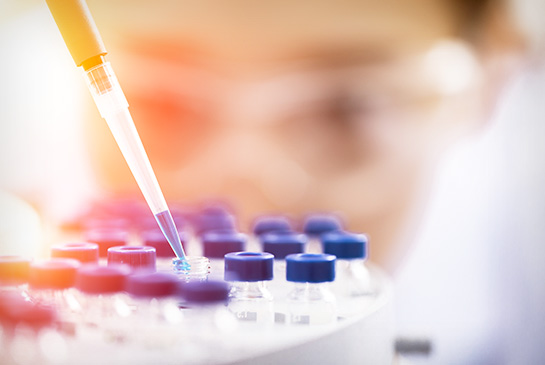
Close up of researcher looking at vials filled with brighly colored fluids
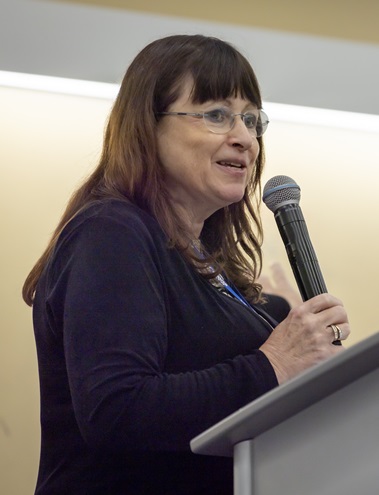
professional woman stands at podium, holding a microphone
April 2026

I am a basic scientist. I trained initially as a medicinal chemist, and my research took me towards physiology and immunology. With this background, I know firsthand that many of the most transformative discoveries in medicine begin far from the clinic. It is at the bench where we explore fundamental biological questions that ultimately shape how we diagnose, treat and prevent disease. While clinical research often receives the greatest public visibility, it is basic science that provides the conceptual frameworks and mechanistic insights that make medical breakthroughs possible.

This year, our basic science community at UC Davis has had a well-deserved moment in the spotlight as all six of our basic science departments were ranked in the top 20 nationally in the Blue Ridge rankings for their levels of NIH funding in their respective disciplines. This accomplishment underscores both the excellence of our scientists and the indispensable role they play in powering clinical and translational research accomplishments in the School of Medicine.

The strength of our basic science programs accelerates the educational, clinical and translational missions in several ways. First, it fuels a continuous pipeline of innovation, enabling our clinical departments to translate ideas into practice more rapidly and effectively. Second, it attracts top-tier faculty, learners, and research partners who recognize UC Davis as a place where interdisciplinary collaboration is not only encouraged but expected. Third, all of our trainees, and especially our medical students, benefit from foundational learning in their chosen fields delivered by some of the best basic scientists in the country.

We have strong leadership in these departments, including new chairs in both the Cell Biology and Human Anatomy and Biochemistry and Molecular Medicine departments, the latter featured in this month’s newsletter. Researchers in both of these departments do exciting work in the lab that underpins cutting edge therapeutics.

Our top 20 national rankings across all basic science departments affirm what we already know: UC Davis is home to some of the country’s most creative and impactful scientists. Their work forms the bedrock of our clinical excellence and positions us to meet the health challenges of tomorrow.

Kim E. Barrett, Ph.D.
Vice Dean for Research
UC Davis School of Medicine

April 2026 School of Medicine Research Image Competition Award Winners

The winners of this quarter's competition are Igor Vorobyov and Yen-Her Lai. Lai, who composed the image, is a research assistant and Vorobyov is an associate professor of physiology and membrane biology.

The Research Image Competition is open all year. If you have not won in the past, you may resubmit for consideration. The next prize will be awarded in July, with a submission deadline of June 1. Find out more and submit your entry at this link.

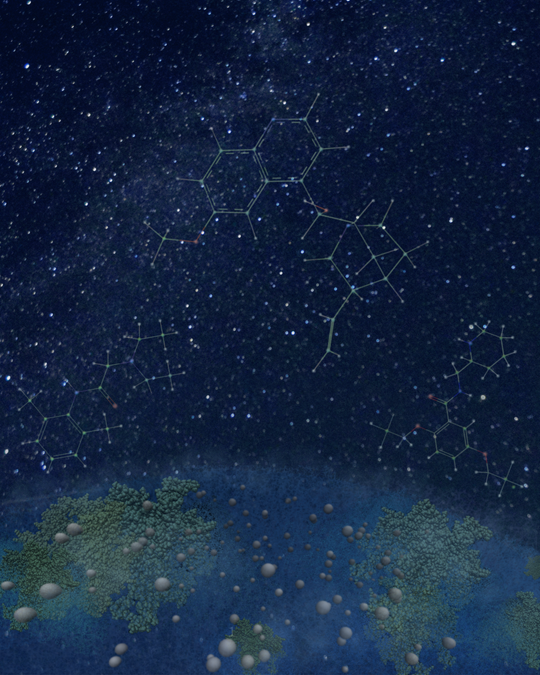
An artistic rendering of earth and space using micrsoscopy imagery

Image description: Titled "Cosmic Metaphor,” this piece reimagines the extracellular environment as a vast, breathing galaxy, where anti-arrhythmic drugs drift like wandering constellations seeking their molecular targets.

2026 Cultivating Team Science Awardees

The Cultivating Team Science Award honors collaboration in action. Each year, it supports interdisciplinary teams at the UC Davis School of Medicine. The shared expertise of the team members has the potential to accelerate discovery.
Awardees receive up to $100,000 per year for two years to prepare for major extramural grant submissions.
This year’s awardees are:

Members of School of Medicine Evaluation Team Receive Chancellor's Award

As part of the UC Davis SEA Change committee, School of Medicine Office of Research Evaluation Director, Stuart Henderson, and Associate Director, Amy Carrillo received the Chancellor's Achievement Award for Inclusive Excellence in Leadership. The recognition honors the work of a seven-person committee on UC Davis’s submission for the American Association for the Advancement of Science’s (AAAS) STEM Equity Achievement (SEA) Change Silver Award. In their roles, Henderson and Carrillo supported the conceptualization of the evaluation plan and activities; reviewed data and documents; conducted interviews with leadership, faculty and staff; and contributed data-informed insights.

UC Davis is the first (and so far, only) institution to achieve the Silver Award. A featured program of AAAS, the SEA Change Institutional Award Program recognizes universities that engage in rigorous self-assessment and effective actions that foster an inclusive, creative, and supportive science, technology, engineering, mathematics, and medicine (STEMM) environment. The Bronze, Silver, and Gold award tiers reflect sustained effort to promote thriving STEMM cultures through understanding the causes and consequences of inequity.

UC Davis has been involved with the SEA Change initiative since its inception in 2017, became one of the first Institutional Bronze Awardees in 2019, and signed on as a SEA Change Charter Member in 2020.

Read More about the SEA Change Award

Evaluation Unit
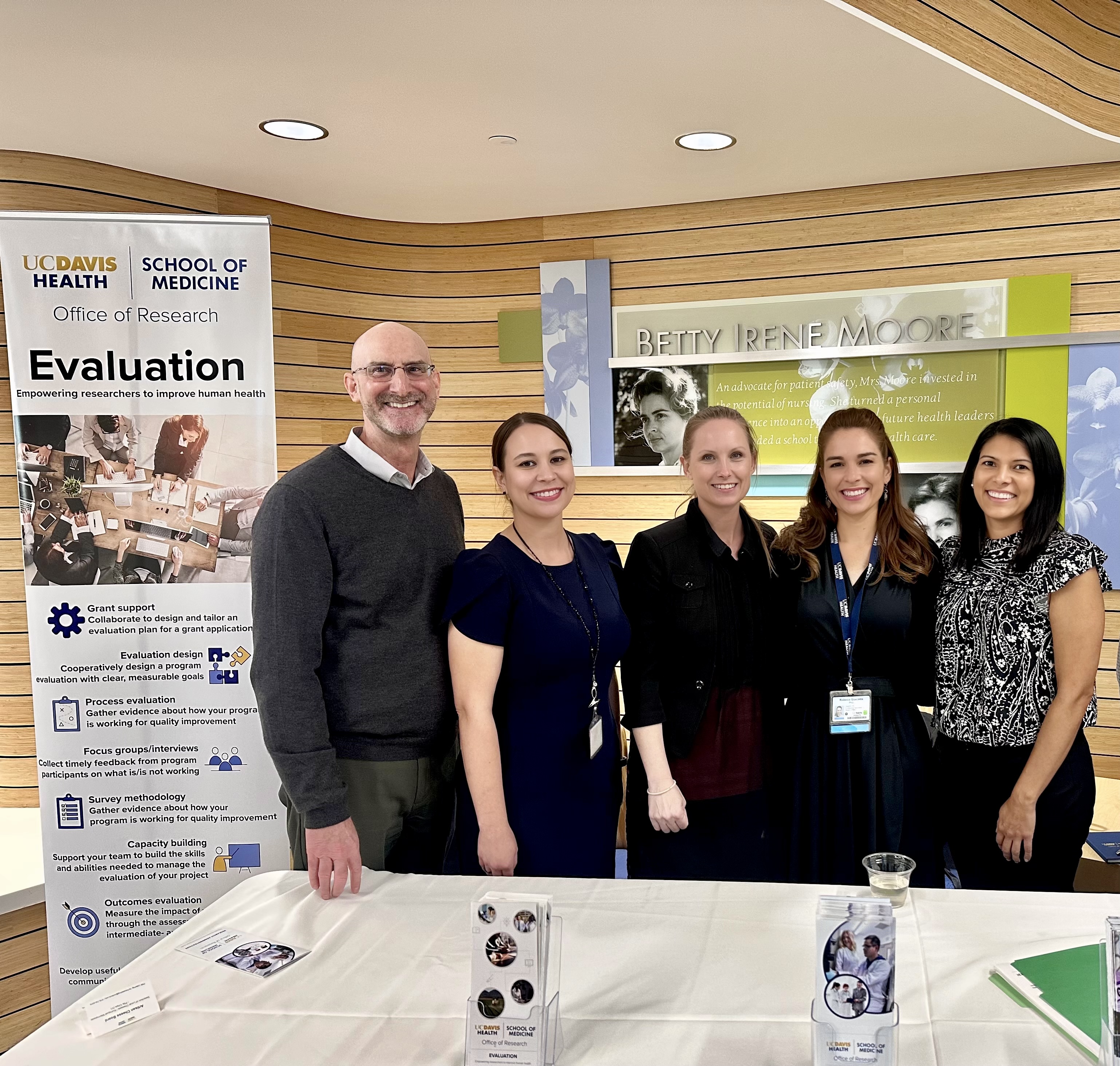
four professionals stand behind a table, smiling at a camera, next to a tall banner that reads "Evaluation"
Get to Know

School of Medicine Office of Research

Measuring What Matters

 The School of Medicine Office of Research Evaluation unit helps define, track, and demonstrate the local and national impact of the programs and partners with which it works. The team examines how centers, schools and training grants such as the Western Center for Agricultural Health and Safety, the Clinical and Translational Science Center, and the Betty Irene Moore School of Nursing are creating change. Across UC Davis Health, the Evaluation Unit supports program leaders in answering two essential questions: “Are we making an impact?” and “How can we show it?”

Because impact looks different for every program, the Evaluation Unit tailors its approach to each context. For example, in evaluating the Betty Irene Moore Fellowship for Nurse Leaders and Innovators, the team gathered longitudinal data from surveys, focus groups, and publicly available databases. Early findings showed that the leadership program influenced not only fellows’ skills and career paths, but also their confidence, networks and sense of what is possible—outcomes that extend beyond traditional measures of success. These findings were published in the journal, Nursing Outlook.

At its core, the Evaluation Unit focuses on asking the right questions, listening carefully and making data meaningful so that it can be used effectively. The unit’s work advances UC Davis Health’s mission to improve health for all by supporting program accountability, driving continuous, data-informed improvement, and disseminating findings.

Evaluation Unit

  • Stuart Henderson, Ph.D., Director of Evaluation

  • Amy Carrillo, Ph.D., Associate Director of Evaluation

  • Stacey Neves, M.A., Senior Research Evaluation Specialist

  • Rebeca Giacinto, Ph.D., M.P.H./M.A., Senior Research Evaluation Specialist

  • Melissa Sullivan, Evaluation Analyst

Research in the Department of Biochemistry and Molecular Medicine
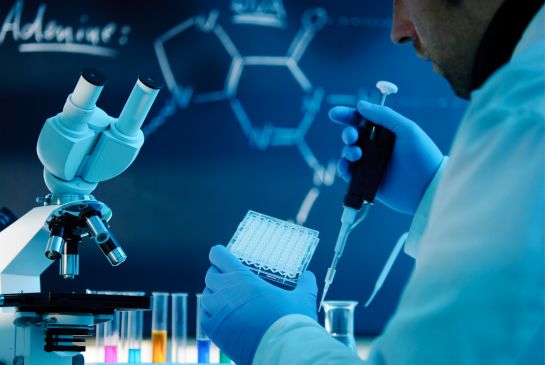
artistic rendering of a researcher in a lab with a microscope, slides and beakers

Biochemistry and Molecular Medicine (BMM) explores the basic building blocks of life—genes, proteins, and cells—to understand what keeps us healthy and what causes disease. By studying how these systems work and what happens when they go wrong, BMM researchers lay the groundwork for new ways to prevent, diagnose, and treat illness.

With laboratories located across both the Davis and Sacramento campuses, UC Davis BMM researchers are supported by more than $6.8 million in active awards, and their NIH funding was in the top 20 nationally, according to the latest Blue Ridge rankings.

The department is led by newly-appointed chair, David J. Segal, a nationally recognized expert in gene‑editing technologies and a longtime UC Davis faculty member. His research focuses on rare genetic and neurological disorders. One of his current projects explores a potential treatment for ADNP syndrome, a rare condition that affects children’s brain development. By designing RNA‑based molecules that correct harmful gene activity, researchers hope to improve outcomes for children living with this disorder.

For his groundbreaking work, Segal has also just been named a Fellow of the American Association for the Advancement of Science (AAAS).

professional man in suit stands in wide hallway, leaning against the wall

David J. Segal, recently appointed chair of the Department of Biochemistry and Molecular Medicine

A defining strength of BMM is its focus on creating new, more precise therapies. A series of federally funded projects target some of the most challenging cancers—lung cancer, breast cancer, gastric cancer, and hepatocellular carcinoma—using advanced tools such as:

Five scientists pose in front of a laboratory

Professor Yuanpei Li and lab members

Other projects address cancer health disparities, including understanding how inherited variants affect gastric cancer outcomes in Hispanic/Latino patients (Professor Luis Carvajal-Carmona). By identifying molecular drivers of disparity-associated disease, researchers hope to guide more equitable care and targeted interventions. Professor Carvajal-Carmona also recently award the Chancellor's Award for International Engagement.
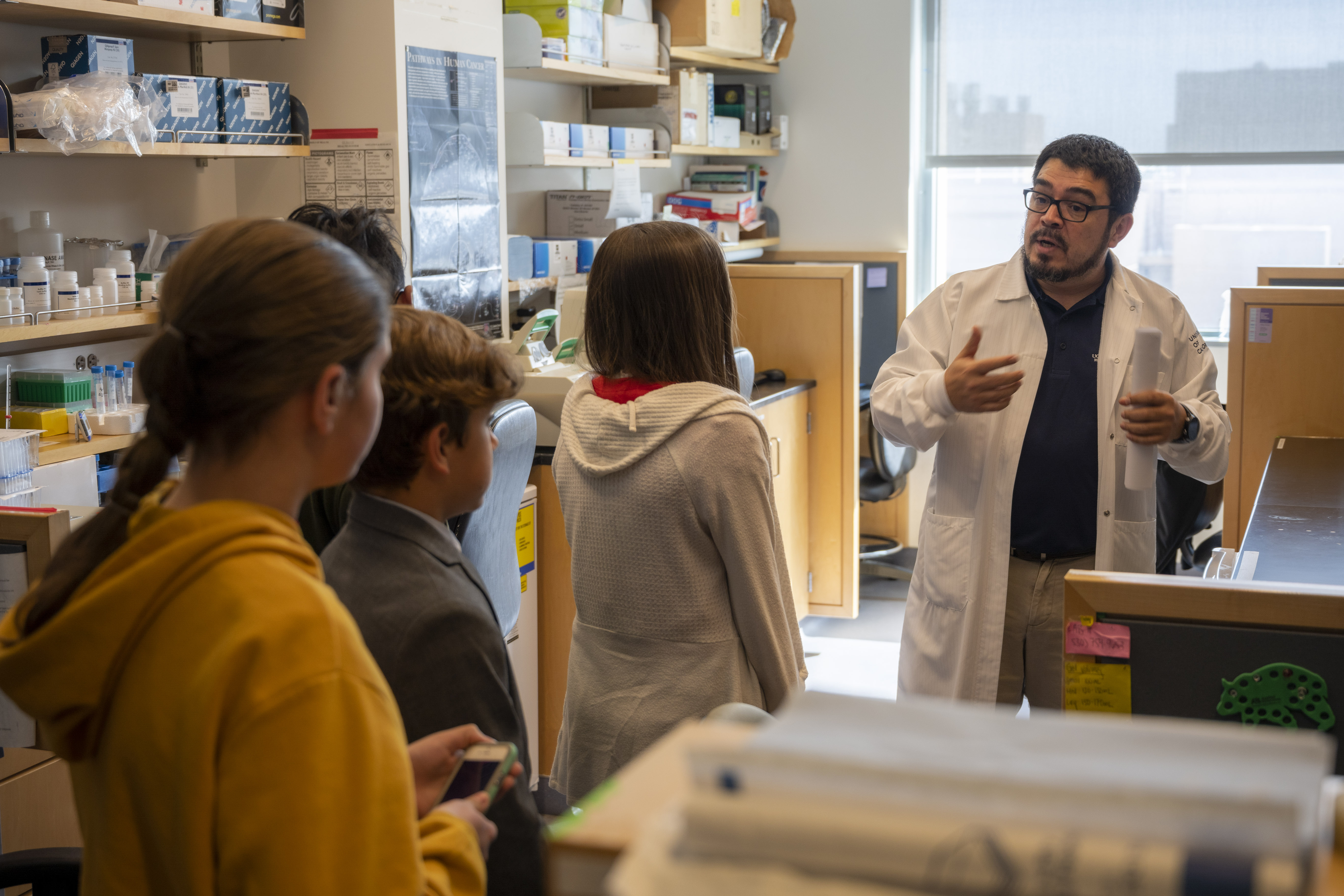
A physician interacts with pre-teen students in a laboratory

Students from E. V. Cain Middle School in Auburn tour the lab of Luis Carvajal-Carmona at the UC Davis Genome building.

Other BMM researchers study how changes in our DNA shape brain development and mental health. For example, research led by Associate Professor Megan Dennis examines how duplicated genes—extra copies that appear in the genome—affect brain structure and function. This work may shed new light on conditions such as autism spectrum disorder and schizophrenia and point toward future treatment strategies. Her team is also studying what makes the primate brain unique, helping scientists understand how certain human brain functions evolved. She was also among the top 10% of National PI Rankings by Department, named 2024-25 Chancellor’s Fellow, and recently received a Research Rock Star Award (Basic Sciences) for her leadership in the Telomere-to-Telomere (T2T) consortium.
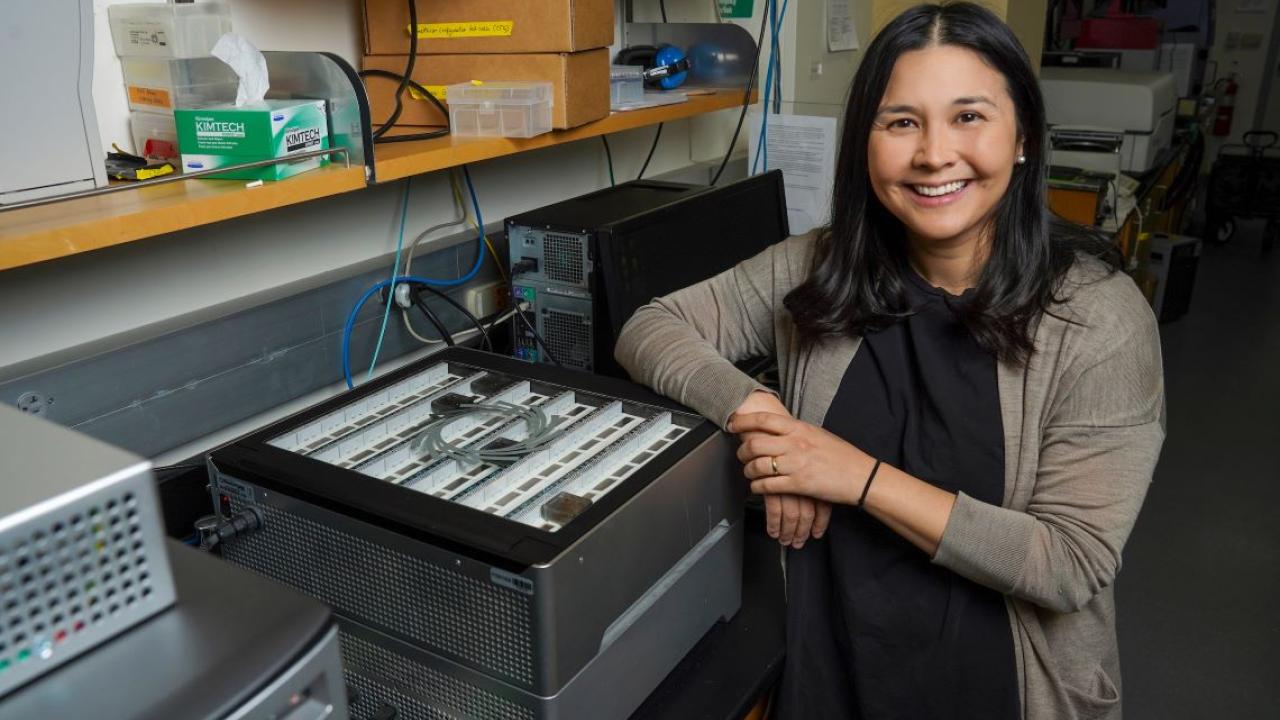
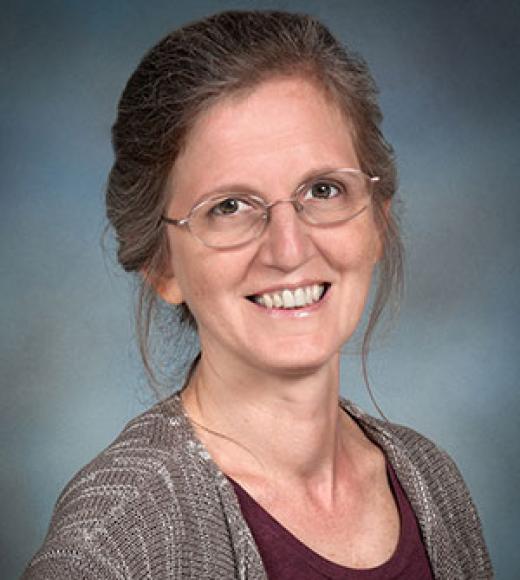
A woman in a gray sweater, Megan Dennis, stands in front of a desk and smiles at the camera.

Associate Professor Megan Dennis

Together, these efforts show how BMM researchers turn fundamental discoveries into practical solutions. By starting with the most basic questions about how biology works, they are helping shape safer, more effective and more personalized treatments, advancing the future of medicine and improving care for patients.

RESEARCH FACULTY

Areas being explored by BMM research faculty are varied and include:

Kermit Carraway: Cancer Biology

Luis Carvajal-Carmona: Cancer Genetics

Hongwu Chen (Vice Chair of Research): Cancer Epigenetics

Jeremy Chien: Applied Genomics and Cancer Therapeutics

Megan Dennis: Human Gene Duplications in Neurodevelopment and Disease

Paramita Ghosh: Cancer Biology

Paul Hagerman: Fragile X Disorders

Fereydoun Hormozdiari: Genome Analysis and Disease Predictions

Yoshihiro Izumiya: Epigenetic Gene Regulation

Thomas Jue: Metabolic Regulation and Bioenergetics

Kit Lam: Combinatorial Chemistry and Nanotherapeutics

Carlito Lebrilla: Mass Spectrometry of Glycoconjugates

Yuanpei Li: Nanomedicine and Biomaterials

Alan Lombard: Cancer Resistance Mechanisms

John McPherson: Cancer Genomics and Bioinformatics

David Olson: Chemical Biology and Neuropharmacology

David Segal (Chair): Gene and Epigene Editing to Treat Neurologic Disease

Justin Siegel: Molecular Modeling, Protein Design, and Food Health

Colleen Sweeney (Vice Chair of Education): Environmental Exposure and Breast Cancer

Yoshikazu Takada: Structure-function of  Integrins

Flora Tassone: Regulation of the Fragile X Gene.

John Voss: Structural Dynamics of Proteins

Aiming Yu: Anticancer Pharmacology and RNA Therapeutics