Medical Microbiology and Immunology Research at UC Davis
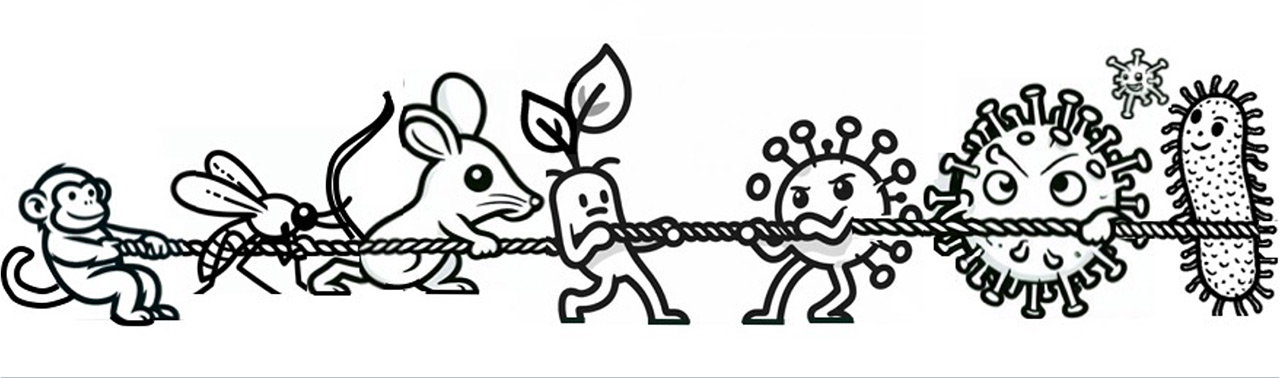
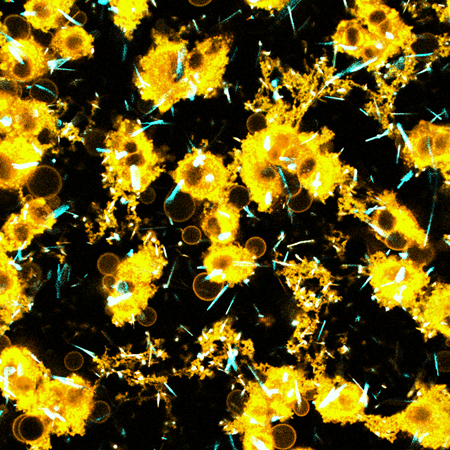
Image courtesy of the Department of Medical Microbiology and Immunology
Immunology research asks a fundamental question: how do microbes and the immune system interact to shape health and disease? Scientists study how pathogens invade the body, how the immune system responds and how the microbiome influences disease risk. These early discoveries help identify targets for new therapies and vaccines.
From there, research moves into translation—where findings are tested and refined—and ultimately into clinical care, where new approaches are evaluated in patients. Insights from patient outcomes then feed back into the research process, driving the next generation of discovery. This continuous cycle advances new strategies to prevent and treat disease.
At UC Davis, this work is strengthened by a highly collaborative environment spanning multiple schools, colleges and research centers across the university. UC Davis hosts a uniquely collaborative research ecosystem, bringing together expertise from the School of Medicine, UC Davis Weill School of Veterinary Medicine, College of Biological Sciences, College of Agricultural and Environmental Sciences and the California National Primate Research Center. This breadth of expertise supports a comprehensive approach to understanding host–microbe interactions across biological systems.
The Department of Medical Microbiology and Immunology (MMI) at UC Davis is a central hub for this work, advancing research that strengthens immunity, prevents infection and improves long-term health. Department programs are integral to the university’s focus on addressing infectious diseases. Researchers use the state-of-the-art technologies of genomics, proteomics and imaging to study the genes and proteins of the pathogens and their hosts to identify novel targets for prevention and therapy.
Core Areas of Research
Faculty in MMI contribute to a substantial portfolio in research areas such as microbial pathogenesis, immune system function and host–microbe interactions.
Microbial Pathogenesis and Infection Biology
Researchers investigate how pathogens invade, persist and spread within the body. This includes studying how organisms such as Salmonella interact with intestinal tissues, how malaria parasites engage vascular systems and how viruses like HIV establish reservoirs in key organs such as gut-associated lymphoid tissue.
This work provides critical insight into the mechanisms that initiate and sustain infection and helps identify targets for intervention.
Immune System Function and Regulation
A major focus of the department is understanding how the immune system detects and responds to infection, particularly at mucosal surfaces where many infections begin.
Faculty study innate immune defenses, antimicrobial peptides and the development of immune responses over time. Research in this area also examines how physiological and environmental factors, including hormones, aging and chronic infection, shape immune function and barrier integrity.
Host–Microbe and Host–Parasite Interactions
MMI researchers also examine the dynamic relationships between microbes and their hosts at a systems level.
This includes studying how genetic factors influence susceptibility to infection, how hosts mount immune responses to parasites and how microbial communities impact inflammation and disease. These efforts highlight both harmful and beneficial host–microbe interactions and their role in shaping health outcomes.
Current Faculty Research
Current funded research projects in the MMI Department include 2 P01 awards and a U19 award (Research Program awards), two R37 MERIT awards, and numerous R01 awards totaling $14,160,921 in 2025.
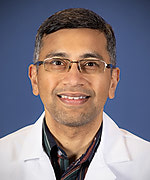
Satya Dandekar, Ph.D., Distinguished Professor and Chair
Research focuses on the molecular pathogenesis of human immunodeficiency virus (HIV) and simian immunodeficiency virus (SIV) infections, with a particular emphasis on gastrointestinal mucosal lymphoid tissue (GALT) as a major target of infection and viral reservoir.
Andreas Bäumler, Ph.D., Distinguished Professor and Vice Chair for Research
Research focuses on interactions between the intestinal mucosa, enteric pathogens and the microbiota.
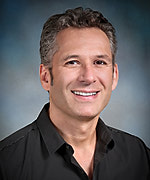
Dennis Hartigan-O'Connor, M.D., Ph.D., Professor
Research focuses on the development of the human immune system and its interactions with chronic infections, including human immunodeficiency virus (HIV) and hepatitis C virus (HCV).
Renée M. Tsolis, Ph.D., Professor
Research focuses on host-pathogen interactions, bacterial infections, concurrent infections, brucellosis, malaria and salmonellosis.
Sanchita Bhatnagar, Ph.D., Associate Professor
Research focuses on the epigenetic regulation of mammalian gene expression, with an emphasis on childhood neurodevelopmental disorders and breast cancer.
Jogender Tushir-Singh, Ph.D., Associate Professor
Research focuses on antibody therapeutics, protein engineering, cancer immunotherapy, dual-specificity antibodies and mechanisms of cancer cell death.
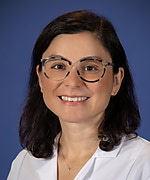
Verena Link, Ph.D., Assistant Professor
Research focuses on how nutrition, the microbiome and genetic diversity influence immune system function in health and chronic inflammatory diseases.
Scholarly Impact
Research excellence is reflected not only in scientific breakthroughs but also in the influence those discoveries have on the broader research community. As shown below, MMI faculty have produced an impressive body of scholarly work between 2020 and 2025, earning numerous citations and contributing to the department’s reputation as a leader in biomedical research.
MMI Department Scholarly Output
Individual Faculty Output 2020 to 2025 (Source: SciVal)
|
Faculty
|
Scholarly output
|
Citations
|
h-index
|
|
Andreas Bäumler, Distinguished Professor
|
72
|
1980
|
96
|
|
Verena Link, Assistant Professor
|
28
|
1690
|
25
|
|
Jonathan Eisen, Distinguished Professor
|
51
|
1658
|
98
|
|
Paul Ashwood, Professor
|
48
|
1148
|
73
|
|
Janine LaSalle, Professor
|
76
|
1081
|
57
|
|
Renée Tsolis, Professor
|
18
|
487
|
71
|
|
Stefan Rothenburg, Professor
|
20
|
460
|
27
|
|
Dennis Hartigan-O'Connor, Professor
|
23
|
336
|
27
|
|
Barbara Shacklett, Professor
|
20
|
326
|
37
|
|
Satya Dandekar, Distinguished Professor
|
20
|
222
|
44
|
|
Maria Mudryj, Professor
|
14
|
187
|
22
|
|
Sanchita Bhatnagar, Associate Professor
|
14
|
163
|
15
|
|
Loubna Tazi, Assistant Professor
|
10
|
153
|
15
|
|
Jogender Tushir-Singh, Associate Professor
|
11
|
97
|
7
|
|
Michael Leibowitz, Adjunct Professor
|
3
|
67
|
20
|
|
Sumathi Sankaran-Walters, Associate Adjunct Professor
|
1
|
8
|
26
|
|
Allen Bryan, Assistant Professor
|
1
|
1
|
1
|
Scholarly output represents the number of publications produced during this period, while citations reflect how frequently those works have been referenced by other researchers. The h-index combines productivity and influence into a single metric, measuring the number of publications that have each received at least the same number of citations. Together, these indicators provide a snapshot of the reach and impact of MMI faculty research within the scientific community.