Marshall Cancer Center in Cameron Park lands first industry backed clinical trial via UC Davis Cancer Care Network
(SACRAMENTO)
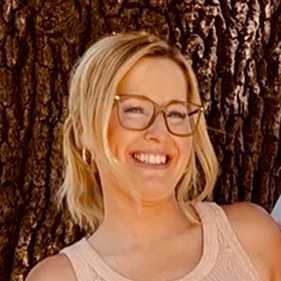
New mom Jamie Lynne Tarailo was only 34, busy with a 2-year-old toddler and a career, when she felt intermittent shooting pain in her right breast. Yes, her grandmother had breast cancer, but she was older, in her mid-60s, the more common age for the disease.
“I thought to myself, ‘I’m way too young for breast cancer but I need to listen to my symptoms,’” Tarailo said.
Biopsy results showed a slow-growing, less aggressive form of breast cancer,HER2-negative.Improving the outlook even more, it was caught early at stage zero, when it was ductal carcinoma in situ, meaning the cancer was contained within milk ducts and hadn’t spread.
Tarailo and her husband, Jeff, breathed a sigh of relief. To further improve the chances of it not returning, Tarailo chose to have a radical mastectomy, then reconstruction surgery.
Cancer-free years fly by
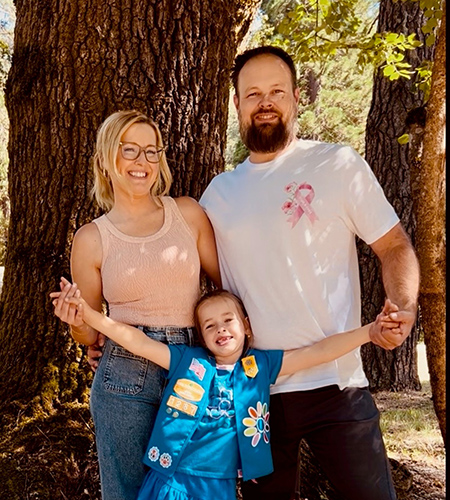
Breast cancer clinical trial patient Jamie Lynne Tarailo and her husband, Jeff Tarailo, with their daughter Zoey.
Before long, the Placerville family continued with their busy lives. Tarailo became a Girl Scout leader. Her daughter, Zoey, and her friends in the troop earned pink breast cancer awareness patches to show their support and raise awareness of breast cancer.
Tarailo even enrolled in nursing school in hopes of advancing her career from licensed vocational nurse to registered nurse.
Fast forward to September 2025. The couple, who were high school sweethearts at Union Mine High School in El Dorado, were preparing for their 20thyear high school reunion.
“I went to help my daughter with a puzzle on the floor and felt as if I had pulled a muscle,” Tarailo said.
Burning pain followed and she called her doctor. This time the biopsy results were very worrisome. The cancer was back and it had invaded the lymph nodes. APET scanalso showed the cancer had metastasized, or spread, to her bones.
Devastated, Tarailo was told in February that her breast cancer was at stage four, the most advanced form of the disease.
Cancer care in Cameron Park + UC Davis medical campus
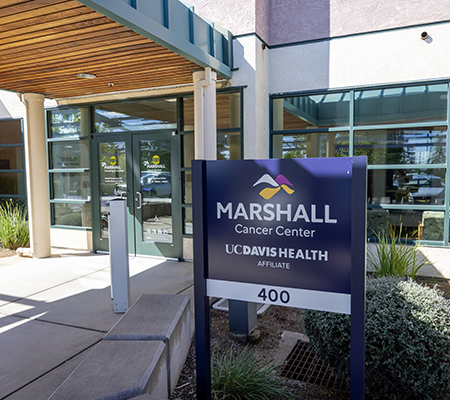
Marshall Cancer Center is a UC Davis Cancer Care Network affiliate in Cameron Park.
Tarailo was a patient atMarshallwhere she was also a nurse. She believed in the power of medicine. So, when her Marshall oncologist suggested she also see an oncologist atUC Davis Comprehensive Cancer Center, she was open to learning more. As aUC Davis Cancer Care Networkaffiliate,Marshall Cancer Centerenrolls patients in the latest clinical trials that typically are only available at academic medical centers.
Tarailo enrolled in the FourLight-3 trial because she was hopeful for a better treatment option than the standard of care and she knew it would help other women in the future.
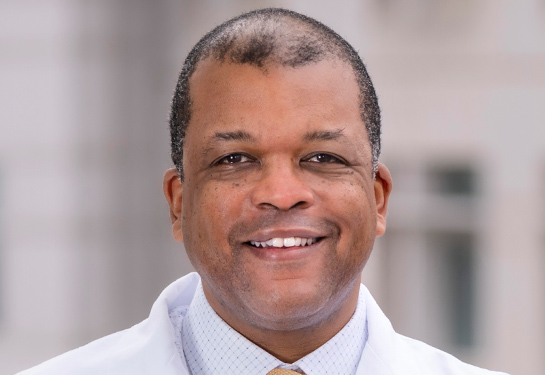
“Jamie Lynne is committed to making a difference,” Arora said. “We can’t move the needle in the cancer fight without the bravery of our trial participants and we do think the FourLight-3 clinical trial could transform care for the type of breast cancer that Jamie Lynne's has been diagnosed with.”
It feels like I’m ‘two-timing’ by getting cancer care at both Marshall and UC Davis, but I feel fortunate.”—Jamie Lynne Tarailo breast cancer clinical trial patient
HR-positive, HER2-negative breast cancer
HR‑positive, HER2‑negative disease represents the most common subtype of breast cancer. Over the past decade, the introduction of CDK4/6 inhibitors combined with hormone therapy has significantly improved progression‑free survival and quality of life. However, these agents are associated with severe side effects — such as low white blood cell count, diarrhea and fatigue — that can limit long‑term use. The FourLight‑3 study will help determine whether a more selective CDK4 inhibitor could be more efficient and easier to tolerate.
“The oncology community is closely watching FourLight‑3 as a potential step forward in the evolution of endocrine‑based combination therapy,” Arora said. “If successful, FourLight‑3 could give us a first‑line option that allows greater flexibility in tailoring therapy and better quality of life.”
In other words, the clinical trial could mark a shift toward precision within targeted cancer treatments — seeking not just stronger drugs, but smarter ones.
“FourLight‑3 could offer a new standard of care for upfront metastatic HR+/HER2- breast cancer. This paradigm shift will have implications for thousands of women worldwide,” Arora said. “We appreciate brave women like Jamie Lynne who are participating in this important clinical trial.”
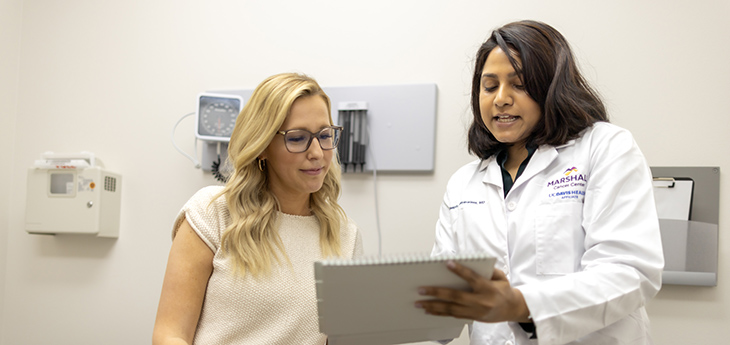
Jamie Lynne Tarailo talks to UC Davis Health oncologist Deepthi Busayavalasa who is based at Marshall Cancer Center.
Best of both worlds
Tarailo is thrilled about receiving care in two places.
“I am so grateful to keep my Marshall oncologist and primary care doctor and still be able to get access to the most advanced treatments at UC Davis,” Tarailo said. “It feels like I’m ‘two-timing’ by getting cancer care at both Marshall and UC Davis, but I feel fortunate.”
While continuing to see Arora in Sacramento, Tarailo still visits her oncologist at Marshall in Cameron Park where she also gets her lab tests and picks up the clinical trial oral drug combination.
It’s the best of both worlds, Tarailo said, because she avoids the hour-long drive from Placerville to Sacramento for most of her cancer care.
“And I get to maintain relationships with Marshall staff who have become an important support system,” she added.
Because Tarailo is young, she may be on the targeted therapy for a long time and is encouraged by the possibility of fewer side effects.
“When it comes to attitude, Jamie Lynne’s perspective is what we like to see,” said Arora. “She’s a fighter and remains upbeat, which will help her navigate her treatment in the best possible way. It is patients like her, willing to participates in clinical trials, who give us the edge in conquering cancer.”
UC Davis Comprehensive Cancer Center
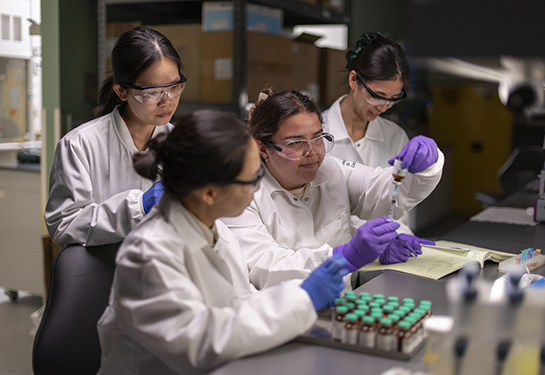
UC Davis Comprehensive Cancer Center is the only National Cancer Institute-designated center serving the Central Valley and inland Northern California, a region of more than 6 million people. Its specialists provide compassionate, comprehensive care for more than 100,000 adults and children every year and access to more than 200 active clinical trials at any given time. Its innovative research program engages more than 240 scientists at UC Davis who work collaboratively to advance discovery of new tools to diagnose and treat cancer. Patients have access to leading-edge care, including immunotherapy and other targeted treatments. Its Office of Community Outreach and Engagement addresses disparities in cancer outcomes across diverse populations, and the cancer center provides comprehensive education and workforce development programs for the next generation of clinicians and scientists. For more information, visit cancer.ucdavis.edu.