
OB-GYN
Our OB-GYN program offers compassionate wellness services, maternity care and treatment for gynecologic conditions — all close to home.
Medically reviewed by Rebecca Brooks, M.D., L. Elaine Waetjen, M.D. and Melissa Chen, M.D. on July 01, 2026.
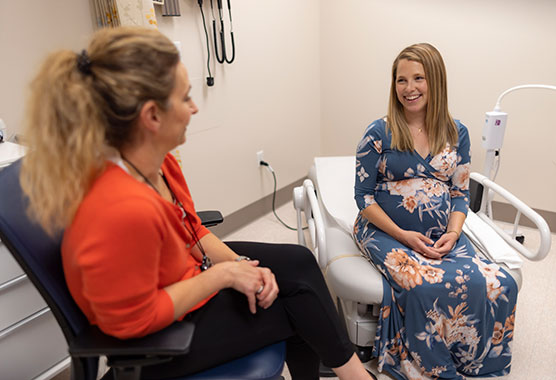
Lifelong OB-GYN Care
Our OB-GYN specialists bring you a complete range of obstetrics and gynecology services at every age and stage of life. We offer individualized care tailored to your medical needs and personal preferences. From puberty through pregnancy and beyond, you can rely on our compassion, innovation and world-class care.
On this page
Our Difference
Leaders in OB-GYN Care
We are proud to be the top hospital in the Sacramento region, according to U.S. News & World Report. We are also among the high-performing hospitals nationwide for gynecological cancer surgery. These ratings mean our patient care ranks higher than national averages.
Minimally Invasive Treatments
We specialize in minimally invasive gynecologic procedures. Minimally invasive techniques use small incisions, or no incisions at all, to treat many gynecologic conditions. You recover faster and with less pain.
Multispecialty Approach
Our coordinated approach to care means all the specialists you need are under one roof. Obstetricians and gynecologists work alongside surgeons, maternal-fetal medicine specialists, neonatologists and other experts to provide your care.
Request an Appointment
As Sacramento's No. 1 hospital, you'll benefit from unique advantages in primary care and specialty care. This includes prevention, diagnosis and treatment options from experts in 150 specialties.
Referring Physicians
To refer a patient, submit an electronic referral form or call.
Patients
Call to make an appointment.
Consumer Resource Center
Our OB-GYN Specialties
At UC Davis Health, our obstetricians and gynecologists have a depth and breadth of expertise that’s hard to find elsewhere in the region. They have experience in a range of specialty areas so you can get excellent care close to home.
Our specialty areas include:
Prenatal Services
We monitor your health during pregnancy and do routine tests to check on your unborn baby’s growth and development. These tests can catch any medical issues early and help us recommend treatment if you need it.
Maternity Services and Birth Center
We are a leader in high-risk pregnancy care and neonatal intensive care. Our medical center has a level 4 neonatal intensive care unit (NICU) and the region’s only center providing on-site fetal surgeries. This means we’re uniquely qualified to care for your baby’s complex needs.
Adolescent Gynecology
Our compassionate adolescent OB-GYN specialists treat young women going through puberty through age 19. Your child may have questions about her changing body. Our care team can help her understand this stage of life. We can also screen for medical conditions and provide any treatments she needs.
Family Planning Services
Our family planning experts provide compassionate counseling when you need information on contraception and abortion. We are here to listen and provide the information and treatment you need.
Gynecologic Oncology
Our gynecologic oncology team provides advanced care for ovarian, uterine/endometrial, cervical, vulvar, and vaginal cancers. As inland Northern California’s only National Cancer Institute-designated Comprehensive Cancer Center, we combine academic subspecialty expertise with leading-edge research, precision diagnostics, and access to clinical trials.
Minimally Invasive Gynecologic Surgery
Our team includes gynecologists with advanced training in minimally invasive surgery. We treat uterine fibroids, ovarian cysts, endometriosis, menstrual disorders and many other conditions using laparoscopic and robotic techniques.
Miscarriage and Conception Issues
Our experienced OB-GYNs at the UC Davis Health Early Pregnancy and Miscarriage Center specialist in pregnancy issues and miscarriage. We offer compassionate support for you and your family during difficult times.
Perimenopause and Menopause Care
Our team helps you manage the symptoms related to menopause and perimenopause (the transitional years leading up to menopause).
Preventive Care and Screening
We recommend visiting us once a year for a wellness appointment. Your care team will do screenings and assessments that can catch medical problems early.
Urogynecology and Pelvic Floor Care
Our experts treat the organs in your pelvis (between your hips) and the muscles around them. We help prevent and treat conditions that affect fertility, pelvic pain, urination and bowel movements.
Awards and Recognitions
Ranked among the best in 6 specialties
A U.S. News & World Report best hospital in cancer care, cardiology, heart & vascular surgery, geriatrics, neurology & neurosurgery, orthopedics, and pulmonology & lung surgery.
Ranked among the nation’s best children’s hospitals
U.S. News & World Report ranked UC Davis Children’s Hospital among the best in pediatric nephrology, orthopedics*, and neonatology. (*Together with Shriners Children’s Northern California)
Ranked Sacramento’s #1 hospital
Ranked Sacramento’s #1 hospital by U.S. News, and recognized in 23 types of care including acute kidney failure, cancer care, cardiology, heart & vascular surgery, COPD, colon cancer surgery, diabetes, diabetes & endocrinology, ear, nose & throat surgery, gastroenterology & GI surgery, geriatrics, gynecological cancer surgery, heart arrhythmia, heart attack, heart failure, hip fracture, hip replacement, leukemia, lymphoma & myeloma, lung cancer surgery, neurology & neurosurgery, orthopedics, pneumonia, pulmonology & lung surgery and stroke.

The nation’s highest nursing honor
UC Davis Medical Center has received Magnet® recognition, the nation’s highest honor for nursing excellence.
World-class cancer care
One of ~59 U.S. cancer centers designated “comprehensive” by the National Cancer Institute.

A leader in health care equality
For the 13th consecutive year, UC Davis Medical Center has been recognized as an LGBTQ+ Healthcare Equality Leader by the educational arm of America’s largest civil rights organization.
OB-GYN Conditions We Treat
In addition to routine gynecological screenings and preventive care, we offer a full range of services for more complex concerns.
Our OB-GYN specialists care for:
Dysplasia Care
Our gynecologists specialize in pre-cancers of the vulva, vagina and cervix.
Menopause and Perimenopause
Menopause starts 12 months after your last menstrual cycle, when your ovaries stop making and releasing eggs. Perimenopause marks the time leading up to menopause when symptoms can start. The transition through menopause can come with symptoms like hot flashes, vaginal dryness and trouble sleeping.
Hormone and Menstrual Disorders
Menstrual disorders can cause you to have absent or irregular periods, heavy menstrual bleeding, painful periods (dysmenorrhea) and premenstrual syndrome. You can also have hormone imbalances that affect your menstrual cycle.
Ovarian Conditions
Our gynecologists specialize in ovarian cysts, polycystic ovary syndrome (or polyendocrine metabolic ovarian syndrome) and unexplained ovary pain. We also offer diagnosis and treatment for ovarian cancer.
Pelvic Conditions and Pain
Pain in your pelvic area can have many causes, from pelvic inflammatory disease to pelvic floor disorders. We offer non-surgical and surgical treatment for any pelvic problem.
Urinary Conditions
Urinary conditions include any medical problem that involves the organs that create, hold and carry your urine. These include chronic urinary tract infections, urinary incontinence and urinary frequency.
Uterine and Endometrial Conditions
We diagnose and treat uterine fibroids, endometriosis, adenomyosis and other conditions affecting your womb. Gynecologic oncologists offer specialized care for endometrial cancer.
Vaginal and Vulvar Conditions
Conditions that affect your vagina and vulva include vaginal pain and irritation or symptoms such as itching, discharge or an abnormal odor.
OB-GYN Treatments We Offer
Our OB-GYN specialists offer advanced surgical and non-surgical treatments for gynecologic conditions, pregnancy, and family planning. We understand the sensitive nature of gynecologic care, and you can expect respect and kindness throughout treatment. Our surgeons, obstetricians, gynecologists and nurses have broad experience and provide compassionate care designed to meet your goals.
OB-GYN treatments we provide include:
Birth Control
Birth control (contraception) can offer you peace of mind and treat some gynecologic conditions. Your care team will ask you about your needs and desires and recommend custom birth control options.
Bladder Training and Control Devices
We use surgically placed devices to treat conditions that affect your bladder control. These devices move or compress the tube that carries urine from your bladder to outside your body. We may also recommend setting a schedule to urinate, which can help you control your bladder.
Cancer Treatments
Gynecologic cancers affect the female reproductive system, including the ovaries, uterus, cervix, vulva, and vagina. These cancers can also involve nearby pelvic organs. Our experts work with you to create a personalized treatment plan based on your specific cancer. That may include surgery, chemotherapy, immunotherapy, radiation therapy, targeted therapy, or clinical trials.
Menopausal Hormone Therapy
Menopausal hormone therapy (MHT) can include taking estrogen and progesterone. MHT can improve symptoms of menopause and perimenopause.
Hysterectomy
Hysterectomy surgery removes your uterus. You may need a hysterectomy to treat conditions like cancer or endometriosis. Your surgeon can remove your uterus through incisions in your skin or through your vagina. Our surgeons use advanced gynecologic robotic surgery techniques, so you have smaller incisions, less pain and a faster recovery.
Kegel Exercise Training
Kegel exercises strengthen the muscles of your pelvic floor. This web of tissue stretches between your hips and holds your pelvic organs up. Our pelvic floor therapists can teach you targeted exercises to treat pelvic floor, urinary and gynecologic conditions.
Surgical Removal of Cysts, Fibroids and Growths
Our expert surgeons can remove cysts, fibroids and growths from your ovaries, uterus, cervix or vagina. They use robotic-assisted surgery techniques when possible to provide the most minimally invasive procedure available.
Vaginal Birth After Cesarean (VBAC)
At UC Davis Health, your provider will work with you to decide on a safe birth plan after a previous C-section. Our obstetricians have expertise in managing VBAC deliveries, and we have extensive services to support the birth you want.
Vaginal Pessary
A vaginal pessary supports your pelvic organs, like your uterus, bladder and rectum. Your provider will place this soft device inside your vagina. A vaginal pessary can prevent pelvic organ prolapse and lessen urinary incontinence.
OB-GYN FAQs
Routine wellness exams can help us spot problems before they turn into serious complications. If a more complex health issue does arise, you have access to a regionally and nationally recognized team of specialists.
An obstetrics-gynecology specialist treats the female reproductive system. They provide care before, during and after pregnancy. They also treat gynecologic conditions like cancer.
You need a Pap smear every three years between ages 21 and 29. A Pap smear takes a small sample of cells from your cervix and tests them for cervical cancer. You may switch to tests for the human papilloma virus (HPV) every five years from ages 30 to 65. You can also get Pap smears every three years from ages 30 to 65. Your provider will help you decide if you need a Pap smear after age 65.
Call to schedule an appointment with an OB-GYN as soon as you know you are pregnant. At this visit, your care team can answer questions and do tests to check your health and plan your care.
Latest OB-GYN News