UC Davis Health performs first HIV-to-HIV kidney transplant
By Liam Connolly
Procedure expands access to lifesaving care and shortens waitlist times
(SACRAMENTO)
The UC Davis Transplant Center has reached an important milestone with its first kidney transplant between a deceased donor with HIV and a recipient living with HIV. This approach can help shorten the wait for a lifesaving transplant by increasing the number of organs available to eligible patients.
Just over a decade ago, federal law prohibited the use of organs from donors with HIV in any transplant recipient, including people who were also living with HIV.
The 2013 HOPE Act changed that by allowing researchers to study HIV-to-HIV kidney transplants. Years of research showed these transplants are safe and effective.
In 2024, federal regulations removed the strict research-only requirements. UC Davis Health then brought together a multidisciplinary team of experts to launch its HIV-to-HIV kidney transplant program. It’s the only program of its kind in the Sacramento region.
“Many people living with HIV develop kidney disease over the course of their lives, and some will require a transplant,” explained Sana J. Shaikh, associate professor of Transplant Nephrology, who oversees the HIV positive-to-positive kidney transplant program at UC Davis Health. “HIV-to-HIV transplantation creates an additional pathway to care because organs from donors with HIV are available only to recipients living with HIV. By increasing the number of organs available to these patients, we can potentially reduce wait times and help people get transplanted faster.”
“HIV-to-HIV transplantation creates an additional pathway to care because organs from donors with HIV are available only to recipients living with HIV. By increasing the number of organs available to these patients, we can potentially reduce wait times and help people get transplanted faster.”—Sana J. Shaikh
In need of a kidney transplant
William Anderson was 17 when he first learned something was wrong with his kidneys. During a routine checkup, doctors found protein in his urine. He was referred to a nephrologist, who discovered that his kidney function was slowly declining.
The cause of the decline was unclear. Anderson was born in Brazil and adopted by an American family as a young child, so he did not know much about his biological family’s medical history. Later, he learned he had been born with hepatitis C, which may have also contributed to his kidney disease.
For nearly 20 years, Anderson lived a normal life. But over time, he began feeling increasingly tired and unwell. He returned to his nephrologist only to be told he would need dialysis and eventually a kidney transplant.
As one of 10 children, Anderson was used to taking challenges in stride. So he began dialysis and joined the kidney transplant waiting list.
“If there are tools and ways to keep me alive, I'm just going to roll with it and do what I need to do to live my life,” Anderson said.
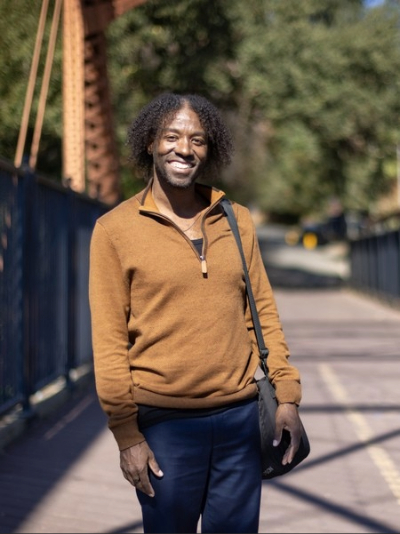
William Anderson is the first patient with HIV at UC Davis Health to receive a kidney transplant from a deceased donor with HIV.
Over the next five years, dialysis became a difficult part of daily life. During that time, Anderson identified two potential living kidney donors, but unfortunately both donors were not a match. He also moved to Brazil for a few years, hoping he might receive a kidney transplant sooner there.
By early 2026, Anderson’s health had become increasingly difficult to manage. He was so exhausted that he often fell asleep during board game nights with friends. Then he received a call from the UC Davis Transplant Center with great news:
“They explained that I could get a kidney faster if I was willing to receive one from a donor with HIV,” said Anderson. “I had a lot of questions about whether it could affect how my HIV was managed, but they explained it was safe and would not impact my treatment. After learning more, I decided to move forward.”
HIV is no longer a barrier to transplantation
Advances in medical treatment have allowed people with HIV to live longer, healthier lives and effectively manage their condition.
“Thanks to years of work by patients living with HIV, patient advocates, researchers and policy makers, the field of HIV care has changed dramatically,” said Alan Koff, a UC Davis Health associate clinical professor of infectious diseases who cares for patients in the HIV-to-HIV transplant program. “HIV is no longer a barrier to transplantation. Patients tell us they feel better after the transplant, and many are able to return to the lives they were living before they developed kidney disease.”
Koff hopes the program will also encourage more people living with HIV to register as organ donors.
“Many people living with HIV are unaware that they can be organ donors,” Koff said. “Especially in regions with long transplant wait times, it is important for people to know this option exists. By registering as an organ donor, they may one day help save someone’s life.”
“HIV is no longer a barrier to transplantation. Patients tell us they feel better after the transplant, and many are able to return to the lives they were living before they developed kidney disease.”—Alan Koff
Making history
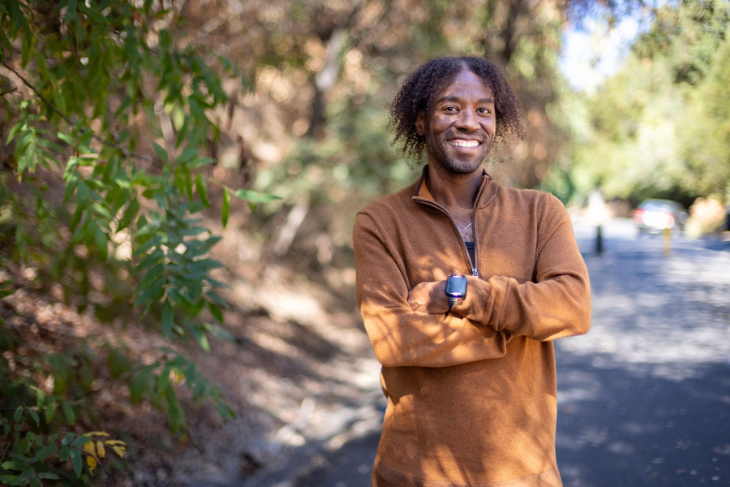
Following his kidney transplant, William Anderson now has the energy to regularly walk more than 16,000 steps a day.
Within a few weeks of activation of the transplant waiting list, Anderson received another call sharing that a suitable kidney had become available. He became the first patient at UC Davis Health to receive a kidney transplant from a deceased donor with HIV to a recipient living with HIV.
After the transplant, Anderson quickly realized just how much his kidney disease had been affecting his energy. Today, he competes with his niece in a step-count challenge and regularly walks more than 16,000 steps a day.
“I had forgotten what it felt like to have energy,” Anderson said. “People tell me they can see the difference in my face, my smile and the way I carry myself now.”
“Many patients face a long and challenging wait for a kidney transplant. For patients living with HIV, access to organs from HIV-positive donors can significantly shorten that wait,” said Shaikh. “By expanding the pool of available kidneys, we can help eligible patients receive a transplant sooner, spend less time on dialysis and return to their normal lives more quickly.”