
Clinical Research Studies
Our current clinical studies focus on the influences of development from infancy to young adulthood.
-

Quantifying Distraction and Attention in Teens in Academic Settings (Q-DATA)
Participate in the Q-DATA studyDescription
Researchers at UC Davis MIND Institute are actively recruiting typically developing teens and teens with ADHD to participate in the Q-DATA study.We know that distractibility is a public health concern, increasing accident rates, decreasing productivity, and affecting school performance for youth. The Q-DATA study is focused on understanding attention, distractibility, and academic performance in typically developing adolescents and adolescents with ADHD.
The goal of this study is to investigate distraction and its effects in real-world academic settings, increasing our understanding of how different individuals are affected by distractibility.
Recruitment Period
Recruitment period is currently open and we are offering compensation.Ages
12–18 years in schoolKeywords
ADHD, attention problems, Typically developing, Teenagers, Adolescents
Julie Schweitzer, Ph.D.
Principal Investigator -

AIR Study
Participate in the AIR studyDescription
We are doing research to better understand aggressive behavior in children and teens. Right now, there isn’t a clear diagnosis for this kind of behavior, even though it affects many families. We’re testing a short questionnaire to see how well it help doctors learn about aggression and find better ways to treat it. By joining this study, you can your child can help researchers improve care for other families facing similar challenges.Recruitment Period
Recruitment period is currently open and we are offering compensation.Ages
4-12 yearsKeywords
child, behavior, disruptive behavior, aggression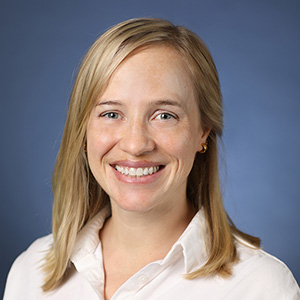
Emma Hare, D.O., Child and Adolescent Psychiatry Fellow
Investigator -

Brain Stimulation Pilot Study
Participate in Brain Stimulation Pilot StudyDescription
We are doing a research study to see if a treatment called Transcranial Magnetic Stimulation (TMS) can help people who feel depressed and have had thoughts of suicide. TMS sends magnetic pulses to the brain to help improve mood. Study volunteers will get this treatment for five days and come back for a few check-ins over about five weeks.Recruitment Period
Recruitment period is currently open and we are offering compensation.Ages
15-21 yearsKeywords
depression, mood, suicidal thoughts, mental health, TMS
Se Ri (Sally) Bae, M.D., Resident, Psychiatry and Behavioral Sciences
Investigator -

TRANSCEND Study: Deep Brain Stimulation for Treatment Resistant Depression
Participate in the TRANSCEND studyDescription
The TRANSCEND Study is a clinical study for people with depression who have been unable to find relief from their symptoms after trying at least four different antidepressant treatments. The goal of the study is to evaluate the safety and effectiveness of deep brain stimulation (DBS) as an investigational therapy to treat treatment resistant depression (TRD) using the Infinity DBS System.DBS involves a surgical procedure during which electrodes are placed in the brain. The DBS electrodes will stimulate an area in the brain thought to help reduce the symptoms of depression.
Recruitment Period
Recruitment period is currently open.Ages
22-70 yearsKeywords
Depression, major depression, deep brain stimulation, major depressive disorder, MDD, treatment resistant depression
James Bourgeois, O.D., M.P.A., M.D.
Co-Principal Investigator -

Adolescent Sleep Study
Contact the UC Davis Sleep Lab to learn moreDescription
We need participants to help with our sleep research!Researchers at the UC Davis Sleep Lab are seeking to answer the question about how much sleep children need and if this need changes across the teenage years. We are looking for participants who are 15 to 20 years old and live in Davis, Dixon or Woodland.
Recruitment Period
Currently open and offering financial compensation for participation.Ages
15-20 yearsKeywords
Sleep, hours needed, teenage years, children, adolescents, sleep schedule, sleep lab -
 Participate in the VRAM study
Virtual Reality Attention Management, VRAM Study
Description
Researchers at the UC Davis MIND Institute are using a virtual reality environment to test whether a new intervention can help persons with attention problems or who have ADHD with significant inattention, learn to ignore distractions, e.g., peers talking, clock ticking.Recruitment Period
We are actively recruiting young children and teenagers with ADHD to participate in this study.Ages
8-13 yearsKeywords
Virtual reality, children, teenagers, ADHD, attention deficit hyperactivity disorderJulie Schweitzer, Ph.D.
Principal Investigator
Clinical Research Funding