Oculoplastic Surgery
Reconstructive and cosmetic eye surgeries can treat eye conditions and enhance your appearance.
Medically reviewed by Lily Koo Lin, M.D. on July 21, 2026.
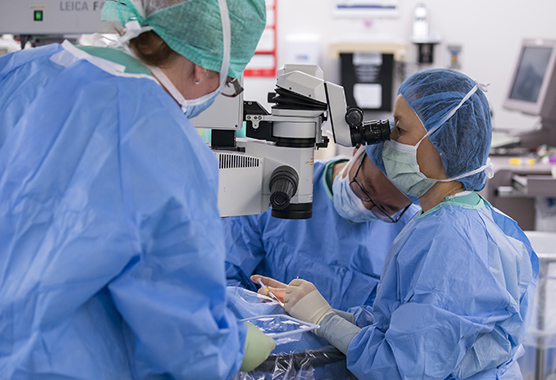
Experts in Orbital, Eyelid and Lacrimal Surgery
Certain conditions, injuries and the aging process can affect how your eyes look and function. Oculoplastic surgery combines eye (ophthalmic) surgery and cosmetic plastic surgery to treat eye conditions, improve your appearance or both.
At UC Davis Health, you receive care from skilled ophthalmic plastic and orbital surgeons. We offer advanced and routine eye health procedures.
On this page
Types of Oculoplastic Surgeries
Eyelid Reconstruction
This surgery can treat eyelid conditions, such as eyelids that turn inward or outward, are drooping from age, or have damage from trauma. We also treat skin cancer resection or paralysis or autoimmune conditions, such as thyroid eye disease.
Upper Eyelid Surgery
There are a variety of upper eyelid surgeries. The most common is called blepharoplasty which is the removal of excess skin. Another is blepharoptosis repair which is a surgery that raises the eyelid height in a drooping or "falling" eyelid.
Surgical Eye Removal
Enucleation or evisceration is performed for patients with eye cancer, are blind or have painful eye conditions.
Orbital Surgery
Orbital tumors, or abnormal growths inside the bony eye socket, can be removed or biopsied without the need for a craniotomy with an orbitotomy. Proptosis or vision loss from optic nerve compression can also be improved with orbital decompression surgery. Bony reconstruction can be done for an eye socket damaged by trauma.
Tear Drain (Lacrimal) Surgery
Our surgeons repair the tiny tear canals in the eyelid called the canaliculi which can be damaged by facial trauma and skin cancer removal. A nasolacrimal duct obstruction can be treated by a procedure that creates a new drainage path between the upper outside edge of the eye socket (lacrimal sac) and nose.
Request an Appointment
As Sacramento's No. 1 hospital, you'll benefit from unique advantages in primary care and specialty care. This includes prevention, diagnosis and treatment options from experts in 150 specialties.
Referring Physicians
To refer a patient, submit an electronic referral form or call.
Patients
Call to make an appointment.
Consumer Resource Center
Preparing for Surgery
It’s normal to feel a little anxious about surgery around your eyes. Your care team will discuss what to expect and make sure you feel comfortable. In most cases, you go home on the day of surgery. Someone else must drive you home.
-

Before Surgery
You may need to stop taking certain medications such as blood thinners or supplements several days before surgery. If you smoke, you should try to stop a few weeks before and after surgery because it slows the healing process.
-
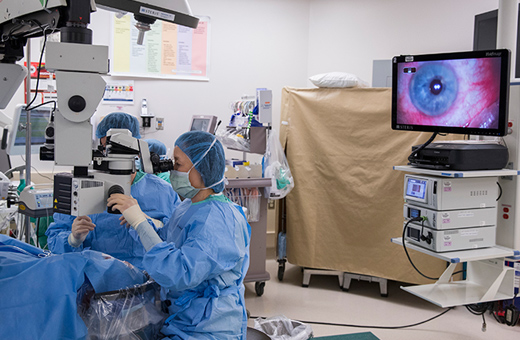
During Oculoplastic Surgery
Surgery steps vary depending on the procedure. Your provider may place heat-safe ocular shields on your eyes to protect them from bright surgical lights and surgical tools. You may receive sedation and local anesthesia to numb the treatment area or general anesthesia, which puts you to sleep.
-

After Oculoplastic Surgery
You may have pain, swelling, bruising and blurred vision after surgery. Depending on the procedure, your eyes may be teary and sensitive to light for a short time.
Home Care
Your recovery depends on the type of eye surgery and other factors. To ensure the best outcomes and prevent complications, it’s important to follow your care team’s instructions.
Avoid Strenuous Activity
Don’t lift heavy objects or engage in activities that raise your blood pressure until your provider gives the OK.
Protect Your Eyes
Wear sunglasses with ultraviolet protection whenever you’re outdoors.
Take Medications
Take medications for pain and other symptoms as prescribed by your provider.
Awards and Recognitions
Ranked among the best in 6 specialties
A U.S. News & World Report best hospital in cancer care, cardiology, heart & vascular surgery, geriatrics, neurology & neurosurgery, orthopedics, and pulmonology & lung surgery.
Ranked among the nation’s best children’s hospitals
U.S. News & World Report ranked UC Davis Children’s Hospital among the best in pediatric nephrology, orthopedics*, and neonatology. (*Together with Shriners Children’s Northern California)
Ranked Sacramento’s #1 hospital
Ranked Sacramento’s #1 hospital by U.S. News, and recognized in 23 types of care including acute kidney failure, cancer care, cardiology, heart & vascular surgery, COPD, colon cancer surgery, diabetes, diabetes & endocrinology, ear, nose & throat surgery, gastroenterology & GI surgery, geriatrics, gynecological cancer surgery, heart arrhythmia, heart attack, heart failure, hip fracture, hip replacement, leukemia, lymphoma & myeloma, lung cancer surgery, neurology & neurosurgery, orthopedics, pneumonia, pulmonology & lung surgery and stroke.
The nation’s highest nursing honor
UC Davis Medical Center has received Magnet® recognition, the nation’s highest honor for nursing excellence.
World-class cancer care
One of ~59 U.S. cancer centers designated “comprehensive” by the National Cancer Institute.

A leader in health care equality
For the 13th consecutive year, UC Davis Medical Center has been recognized as an LGBTQ+ Healthcare Equality Leader by the educational arm of America’s largest civil rights organization.
Latest Eye Health News