


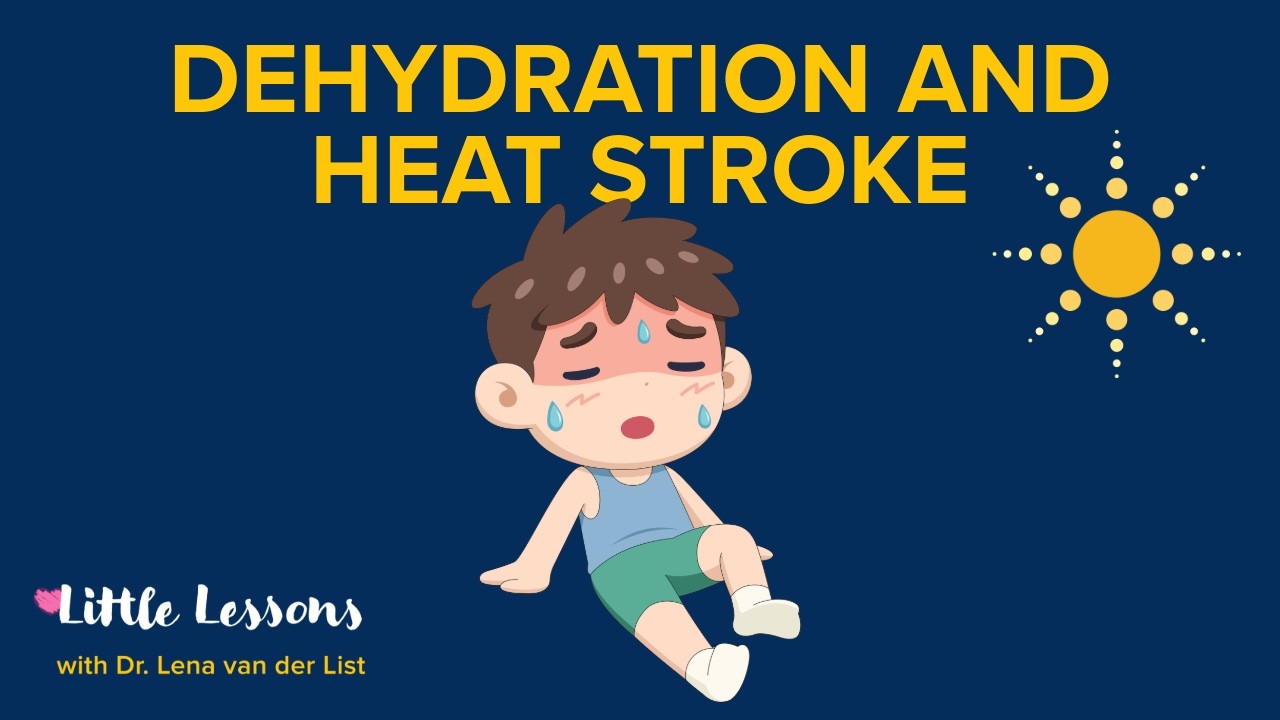
More children are getting sick from heat because temperatures have become hotter and heat waves are lasting longer. But it’s not only triple digit heat you need to worry about. Even temperatures 80 to 90 degrees and above can lead to heat illness in children, especially when humidity is high.
Physical activity is fun and important for kids — whether it is running on the school playground or after-school football. That’s why it’s important for parents, teachers and coaches to understand how to keep student athletes safe in hot weather.
Children’ s bodies heat up faster than adults. In fact, heat stroke is the leading preventable cause of death for high school athletes.
Learn how you can help prevent and identify heat illness to keep your kids safe and healthy.
Heat illness has 3 different stages
- Heat cramps
- Heat exhaustion
- Heat stroke
Explore our pediatric primary care services for your child
What are the early warning signs of heat illness?
Heat illness can progress rapidly from mild discomfort to a life-threatening situation. It is extremely important that parents, coaches and others who have contact with active children recognize the danger signs of heat illness and provide help fast.
Symptoms of heat illness include:
- Heat cramps such as muscle spasms in the arms and legs.
- Extreme fatigue or brief episodes of dizziness.
- Heat exhaustion signs include heavy sweating, cool skin, headache and vomiting.
- Heat stroke symptoms include an increase in body temperature up to 106 degrees, skin that is red, hot and dry, confusion, confusion, seizures and loss of consciousness.
What is the difference between heat exhaustion and heat stroke?
Heat exhaustion is dangerous. Heat stroke is worse because it can quickly become life threatening. Both conditions require immediate medical attention.
Signs of heat exhaustion:
- Overheated but with a core body temperature under 104 degrees
- Headaches, nausea, dizziness
- Pale, clammy skin, sweating
- Very thirsty
Signs of heat stroke:
- Body temperature spikes to nearly 106 degrees
- Red hot skin, possible sweating
- Confusion
- Slurred speech
- Loss of consciousness
- Seizures
Find out more about the differences between heat exhaustion and heat stroke
When does heat exhaustion become a medical emergency?
Heat exhaustion becomes a medical emergency when you begin to see some of the following symptoms:
- Dizziness
- Slurred speech
- Confusion
- Body temperature near 106 degrees
If you notice these signs, then heat exhaustion is turning into heat stroke. Call 911 immediately and take steps to cool the child.
Learn about our emergency care for children and adults
How can you help someone suffering from heat exhaustion or heat stroke?
It is important that the response to both heat exhaustion and heat stroke in children is as fast as possible.
For heat exhaustion, move the child to a cooler area, have them sip cool water, apply cool or wet compresses, loosen their clothing and monitor their temperature.
For heat stroke immediately call 911 and move the child to a shady or cooler location. Cover them with wet towels or put them in a cool bath if possible. Apply ice packs to their armpits and groin areas while awaiting emergency response.
Enter your zip code to learn the heat risk forecast in your area
How much water should kids drink in hot weather?
Children should drink water before, during and after exercise. Do not wait until a child or athlete says they are thirsty. By then they could be suffering from dehydration.
Kids who exercise outside during hot weather should drink up to eight ounces of water every 30 minutes plus an extra glass of water when they finish.
Sipping water frequently is better than quickly drinking a bottle of water because sips help prevent stomach aches.
Read why it is important to drink water and stay hydrated
Are sports drinks better than water?
The choice between water or sports drinks mainly depends on the length and difficulty of the exercise.
- Water is best for exercise that lasts less than one hour.
- Sports drinks can be better when exercise activities last more than one hour.
What ingredients in sports drinks help prevent cramping?
Sports drinks can help prevent cramping, thanks to the following ingredients:
- Electrolytes, including sodium, help fluid balance and muscle strength
- Carbohydrates provide fast energy for your muscles and brain.
What are some safe hydration alternatives to water and sports drinks?
Coconut water is packed with potassium, magnesium, sodium, and other natural electrolytes. Water infused with fruit like lemon, lime or orange and a pinch of salt is another flavorful, yet effective alternative to plain water and sports drinks.
See how telehealth visits can deliver urgent care quickly and easily
Is it safe to play in the pool during extreme heat?
Yes, water is a wonderful way for kids to cool off and have fun. They should apply SPF 15 or higher sunscreen 20 minutes before going outside. Once outside kids should reapply sunscreen at least every two hours, and more often, if they are swimming.
Learn more about sunscreen, SPF and how to protect kids
What are three ways to prevent heat illness?
You can help prevent heat illness by staying aware of the conditions and environment where your child is active.
Simple choices help create healthy outcomes:
- Gradual buildup. That is where student athletes slowly increase the length and demand of their exercise routines over a couple of weeks.
- Proper hydration. Make sure kids hydrate before, during and after practice or workouts. They should rest in the shade and wear lightweight clothing.
- Smart scheduling. The best time to exercise in high heat events is during off-peak hours. Off-peak hours are during the early morning or evening when the heat is not so intense.
Sign up for our Health Highlights e-newsletter
This blog was medically reviewed by pediatrician Lena van der List